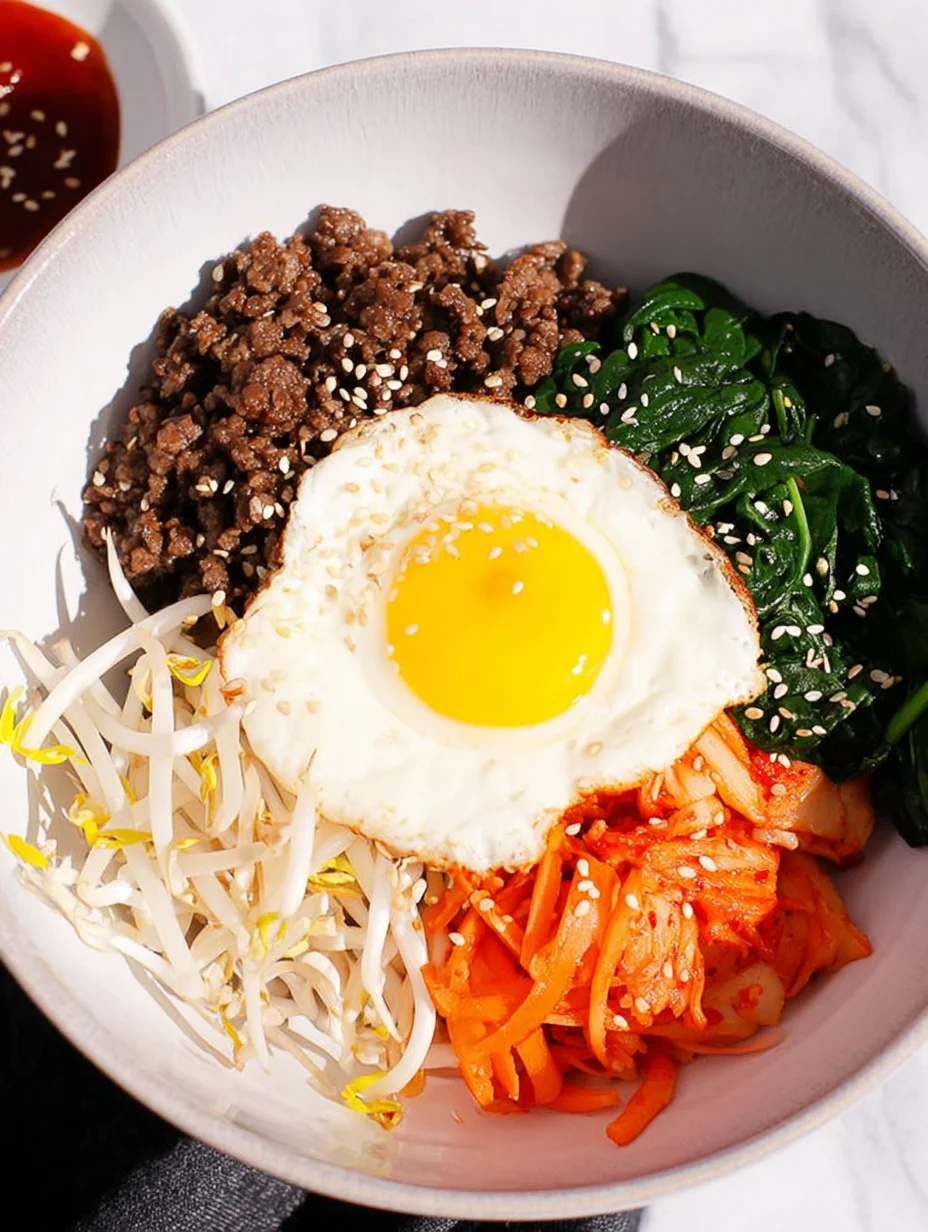

Have you ever craved a flavorful Korean meal but thought it was too complicated to whip up at home? Let me tell you, that’s not the case with this Easy Bibimbap recipe. I’ve been making this dish for years, and it’s become my go-to for quick, satisfying dinners that transport me straight to Seoul without leaving the kitchen. The beauty of Easy Bibimbap lies in its customizable toppings over steamed rice, all tied together with that spicy-sweet gochujang sauce—it’s hearty, colorful, and oh-so-delicious.
In my experience, what makes Easy Bibimbap so appealing is how it balances fresh veggies, tender protein, and a fried egg on top, creating layers of texture and taste in every bite. Whether you’re a busy parent or just someone who loves bold flavors, this recipe simplifies the classic without skimping on authenticity. I’ve tweaked it over time to make it even quicker, using everyday ingredients you likely have on hand. Now, you might be thinking, “Can it really be that easy?” Trust me, it is, and I’m excited to share my version of Easy Bibimbap with you today—let’s get cooking!
Key Takeaways:
- Easy Bibimbap is a vibrant Korean rice bowl packed with veggies, protein, and a spicy sauce for a complete meal.
- Prep and cook in under 30 minutes, perfect for weeknight dinners without the fuss.
- Explosive flavors from gochujang and sesame oil make every bite irresistible and authentic.
- Customize toppings to your liking—add more heat or go vegetarian for versatility.
- Store leftovers in the fridge for up to 3 days; reheat gently to keep the textures intact.
Why You’ll Adore This Easy Bibimbap
Quick and Effortless Prep: Here’s the thing—life’s too short for hours in the kitchen, right? This Easy Bibimbap comes together in about 25 minutes, using simple steps that even beginners can nail. You’ll feel like a pro without the stress, and that first bite will have you hooked.
Grab This Chef Knife Now - Almost Gone!
- Stays Razor-Sharp: Ice-hardened blade keeps its edge longer than ordinary knives
- Superior Grip Control: Unique finger hole design gives you perfect balance and safety
- Built to Last a Lifetime: Premium stainless steel blade with elegant beech wood handle
- ✓ Finally, a knife that stays sharp and feels comfortable in my hand
- ✓ Professional quality without the premium price tag
- ✓ Makes meal prep faster and more enjoyable
⏰ Only a few items left in stock - order soon
Bursting with Authentic Flavors: I love how the gochujang sauce brings that perfect sweet-spicy kick, mingling with sesame-seasoned veggies and rice. It’s not just food; it’s a flavor explosion that satisfies cravings for something exotic yet comforting. What I find interesting is how it layers umami from soy and garlic, making every forkful memorable.
Healthy Yet Hearty: Packed with colorful vegetables and lean protein, this Easy Bibimbap is nutritious without feeling like a salad. In my experience, it’s a great way to sneak in greens while keeping things indulgent. You’ll love the balance of fresh and cooked elements that make it feel wholesome.
Endless Customization Options: Let’s be honest, no two bowls need to be the same! Swap in your favorite veggies or proteins, and you’ve got a recipe that adapts to any diet. It’s this flexibility that keeps me coming back to make Easy Bibimbap week after week.
Essential Ingredients for Easy Bibimbap
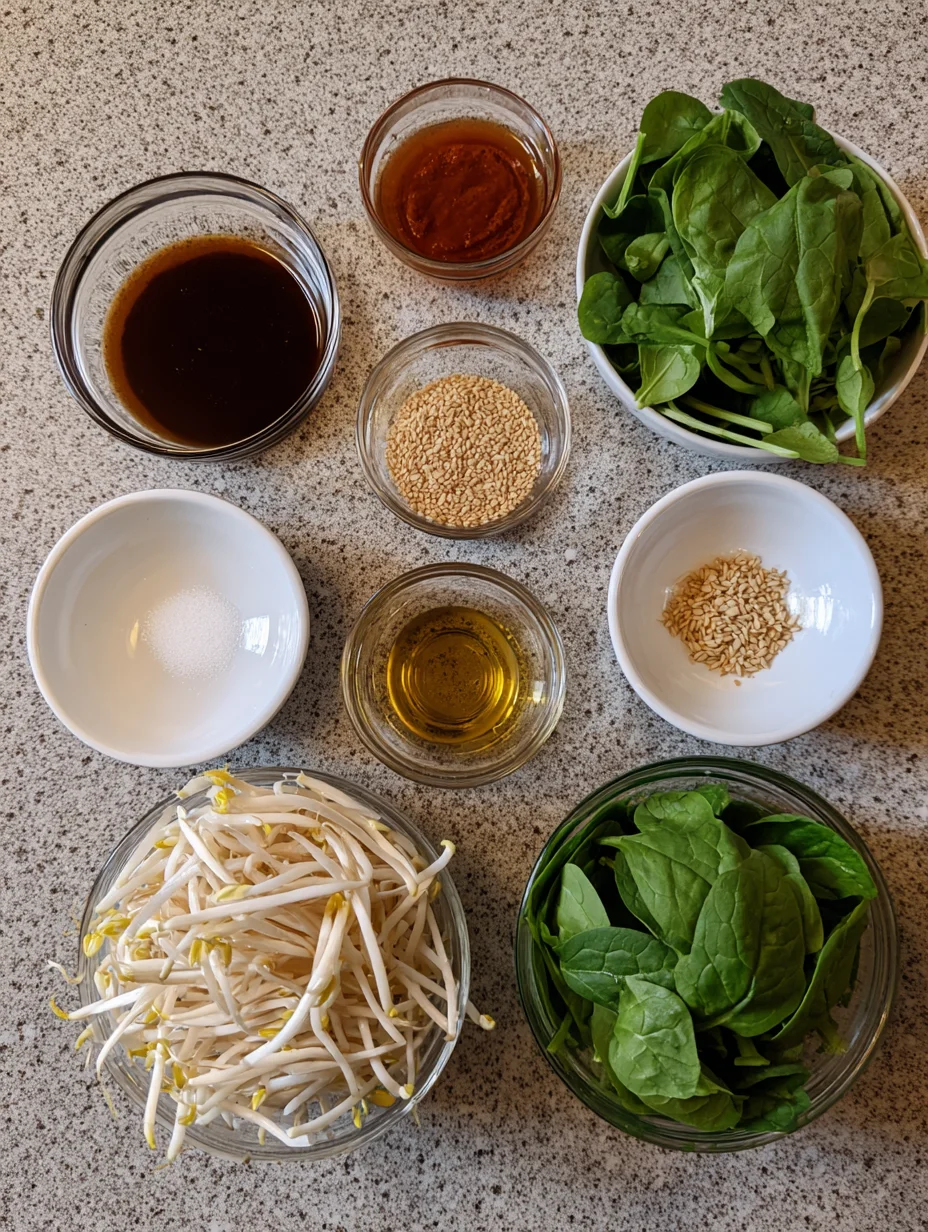
Steamed Rice: The foundation of any great Bibimbap, this sticky white rice soaks up all the sauces and juices beautifully. I always use short-grain for that authentic texture, but jasmine works in a pinch. In Easy Bibimbap, it provides the neutral base that lets bold flavors shine, and it’s quick to prepare in a rice cooker or on the stovetop. Without it, the dish just wouldn’t come together as satisfyingly.
Gochujang Sauce: This fermented chili paste is the heart of Korean cuisine, offering a sweet, spicy, and savory punch that’s irreplaceable. Mixed with sesame oil, soy sauce, and a touch of sugar, it creates the glossy topping that ties everything in Easy Bibimbap. I’ve tried store-bought versions, but whisking your own ensures the perfect heat level. It’s what elevates the meal from good to unforgettable.
Mixed Vegetables (Carrots, Spinach, Bean Sprouts): Fresh and crunchy, these veggies add color, nutrition, and variety to your bowl. Sautéed lightly with garlic and sesame, they bring earthiness that contrasts the rice perfectly. In Easy Bibimbap, they’re essential for that rainbow presentation and balanced bite—don’t skip blanching the spinach for tenderness. They make the dish not just tasty, but visually stunning too.
How to Make Easy Bibimbap
Prepare the Rice and Sauce
Start by cooking your rice according to package instructions—aim for fluffy and warm, as it pairs best with the toppings in Easy Bibimbap. While that’s simmering, whisk together the gochujang, sesame oil, soy sauce, rice vinegar, and a bit of honey in a small bowl until smooth; this sauce is the game-changer for flavor depth. In my experience, tasting and adjusting the sweetness here prevents the dish from being too spicy later. Set it aside, and let’s move on to the veggies—the aroma will have your kitchen smelling amazing already.
Cook the Vegetables and Protein
Heat a large skillet with a drizzle of sesame oil over medium heat, then add sliced carrots, blanch and drain the spinach, and quickly stir-fry the bean sprouts with garlic for about 2 minutes each—keep them crisp-tender for that fresh pop. If using beef, thinly slice and marinate it briefly in soy and garlic before searing until just cooked through; the sizzle adds a smoky note that’s pure comfort. Timing is key here: don’t overcrowd the pan to maintain those vibrant colors and textures. You’ll see steam rising, and the scents of garlic and sesame will make you hungry instantly.
Assemble and Fry the Eggs
Divide the warm rice into bowls, then artfully arrange the cooked veggies and protein on top—like a colorful mosaic that screams Easy Bibimbap. Fry eggs sunny-side up in the same skillet for that runny yolk goodness, which acts as a creamy binder when mixed in. Drizzle generously with your prepared sauce, sprinkle sesame seeds, and serve hot. This final step brings it all together, and watching the yolk ooze over the rice is pure satisfaction.
Ingredients
- 2 cups cooked short-grain rice
- 1 cup thinly sliced carrots
- 2 cups fresh spinach, blanched
- 1 cup bean sprouts
- 8 oz thinly sliced beef (or tofu for vegetarian)
- 4 eggs
- 3 tbsp gochujang
- 2 tbsp sesame oil
- 2 tbsp soy sauce
- 1 tbsp rice vinegar
- 1 tsp honey
- 2 garlic cloves, minced
- Sesame seeds for garnish
- Salt and pepper to taste
Serves 4 | Prep Time: 10 minutes | Cook Time: 15 minutes
Easy Bibimbap Instructions
- Cook 2 cups of rice and set aside. In a bowl, mix gochujang, 1 tbsp sesame oil, soy sauce, rice vinegar, and honey for the sauce.
- Heat 1 tbsp sesame oil in a skillet. Stir-fry carrots for 2-3 minutes, then set aside. Blanch spinach in boiling water for 30 seconds, drain, and season with garlic and salt.
- Quickly sauté bean sprouts with a bit of garlic. For beef, marinate in 1 tbsp soy sauce and garlic, then cook in the skillet until browned, about 3 minutes.
- Fry 4 eggs sunny-side up. Assemble by placing rice in bowls, topping with veggies and beef, adding an egg, and drizzling sauce. Garnish with sesame seeds.
Pro Tips for the Best Easy Bibimbap
Don’t Overcook the Veggies: Keep them crisp for texture—overdone spinach turns mushy and steals the fun from mixing your Easy Bibimbap.
Adjust Sauce Heat: Taste the gochujang mix and add more honey if it’s too spicy; this keeps everyone happy at the table.
Grab This Kitchen Scale Now — Best Precision Pick!
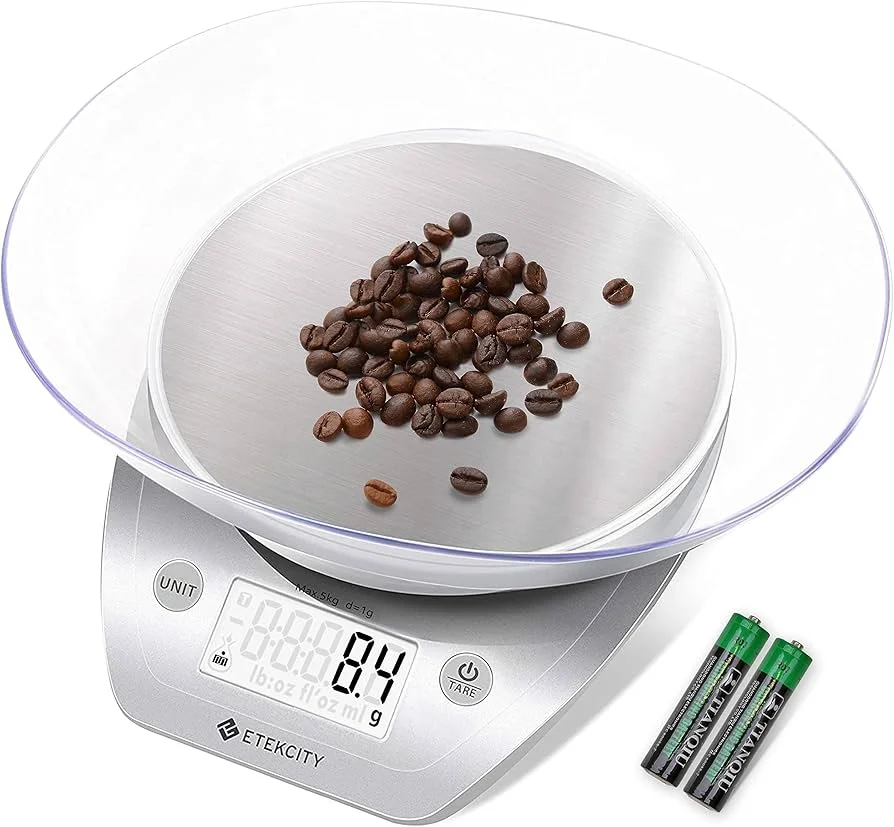
- Razor-Accurate Every Time: Dual-increment precision down to 0.1g — perfect for baking, meal prep, and portion control with g, oz, ml, and fl'oz modes.
- Smart Removable Bowl Design: Detachable bowl doubles as a protective case for compact storage. Tare function lets you weigh ingredients in any container with zero fuss.
- Built for Everyday Convenience: Auto-zero, tare function, low battery alert, overload indicator, and 2-minute auto-off to extend battery life — all in a sleek stainless steel build.
- ✓ "Perfect for baking — precise, lightweight, and stores easily without wasting counter space"
- ✓ "A game changer! Weighing ingredients is now way more accurate than measuring cups"
- ✓ "Love the 0.1g precision and backlight — best food scale I've owned. Highly recommend!"
⏰ Only a few items left in stock - order soon
Use Hot Rice: Warm rice absorbs flavors better, making your Easy Bibimbap even more cohesive and delicious.
You Must Know
- Bibimbap means “mixed rice” in Korean, emphasizing the joy of stirring everything together.
- Gochujang is a staple—fermented for umami, but start small if you’re new to spice.
- This recipe is naturally gluten-free if using tamari instead of soy sauce.
- Vegetarian swaps like mushrooms work wonders for Easy Bibimbap’s protein component.
How to Store Easy Bibimbap
To keep your Easy Bibimbap fresh, store components separately in airtight containers: rice and veggies in one, sauce in another to avoid sogginess. It lasts up to 3 days in the fridge, though the egg is best fresh. For reheating, warm rice and toppings in a skillet with a splash of water, then top with a new fried egg—keeps that just-made vibe alive.
Customizing Your Easy Bibimbap
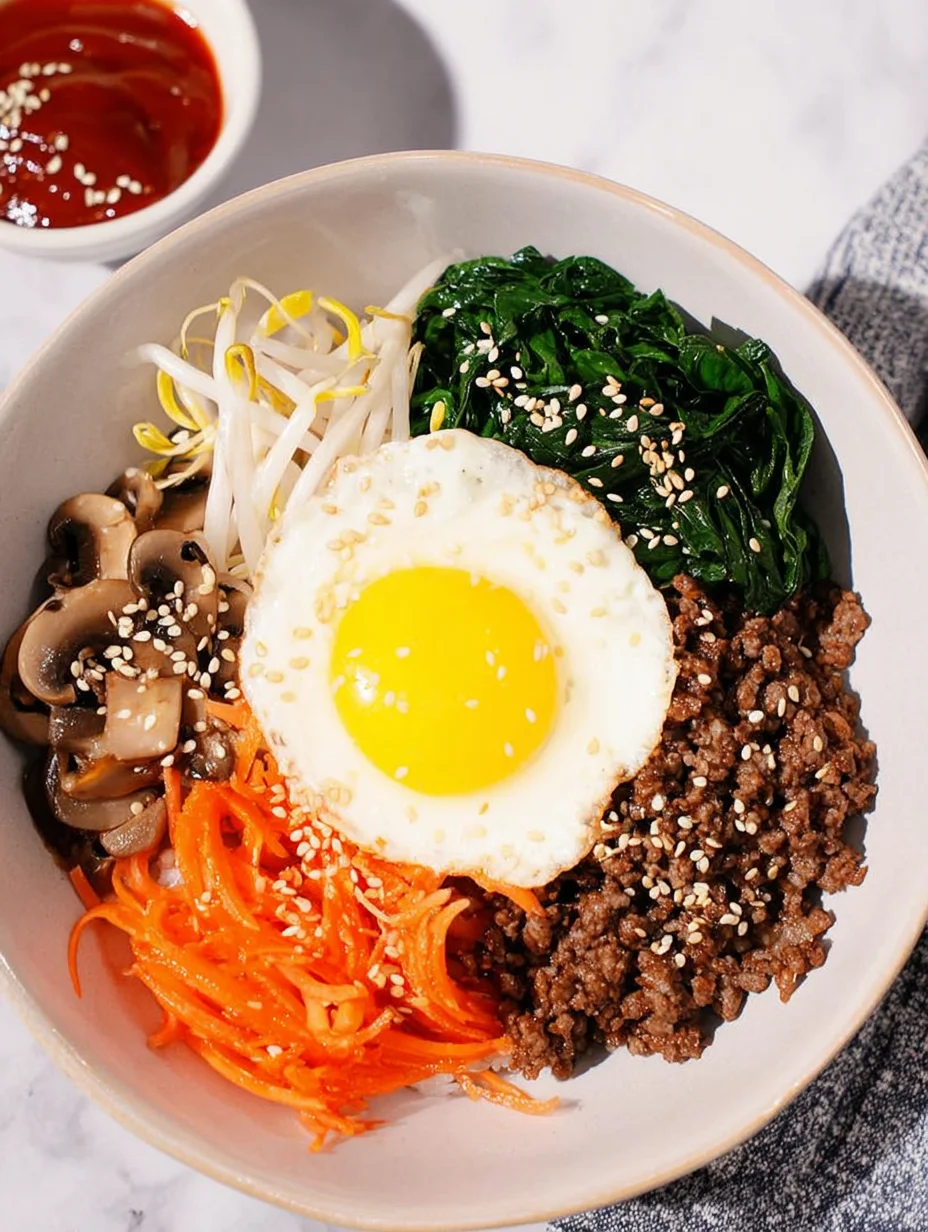
Feel free to swap beef for ground turkey or tofu in your Easy Bibimbap for a lighter twist—I’ve loved pairing it with mushrooms for extra earthiness. Add zucchini or mushrooms if carrots aren’t your thing, and for vegan options, skip the egg and amp up the sauce. Check out our Korean Ground Beef Bowl for more beefy inspiration that fits right in.
What to Serve with Easy Bibimbap
Pair this Easy Bibimbap with a simple cucumber salad dressed in rice vinegar for a refreshing crunch that cuts through the richness. Kimchi on the side adds fermented tang, elevating the Korean theme without overpowering. For drinks, try iced green tea or a light soju—perfect for balance. If you’re feeding a crowd, steamed dumplings make a fun appetizer.
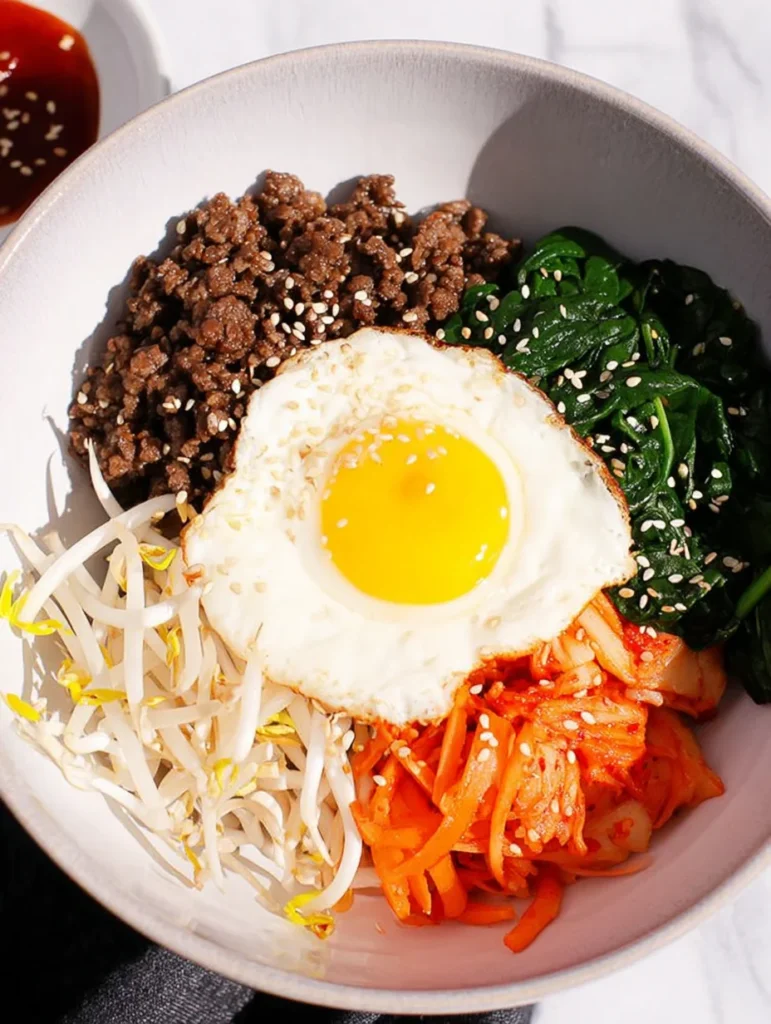
Easy Bibimbap (Korean Mixed Rice Bowl)
This easy bibimbap with ground beef is one of our favorite go-to Korean meals. You can easily substitute ingredients and customize it to your preference. This bibimbap is made extra easy with ground beef. No marinating need and it still tastes just as good! Try it with our fresh kimchi (geotjeori)!
Timing
Recipe Details
Ingredients
- 01 ¼ cup gochujang ((Korean red chili paste))
- 02 2 tablespoons honey ((or sugar))
- 03 1 teaspoon garlic ((minced (about 1 clove)))
- 04 1 teaspoon toasted sesame oil
- 05 8 ounces mung bean sprouts ((or soy bean sprouts))
- 06 ½ teaspoon salt
- 07 1 tablespoon toasted sesame oil
- 08 10 ounces baby spinach
- 09 ¼ teaspoon salt
- 10 ½ Tablespoon toasted sesame oil
- 11 1 large carrot ((peeled and cut into juliennes/thin matchsticks))
- 12 2 teaspoon toasted sesame oil
- 13 1 teaspoon salt
- 14 8 ounces mushrooms ((sliced (we used shiitake but use your preferred ones)))
- 15 ¼ teaspoon salt
- 16 1 teaspoon toasted sesame oil
- 17 1 pound ground beef (((we use 80/20 ground beef)))
- 18 ¼ cup soy sauce
- 19 ¼ cup honey
- 20 1 tablespoon garlic ((minced (about 3 cloves)))
- 21 2 teaspoon toasted sesame oil
- 22 3 cups cooked white rice ((more or less to your preference))
- 23 3 large eggs
- 24 Green onion ((thinly sliced (optional for garnish)))
- 25 Toasted sesame seed (((optional for garnish)))
- 26 Oil ((as needed for cooking))
FILED UNDER:
NUTRITION FACTS (PER SERVING)
Nutrition information is calculated using an ingredient database and should be considered an estimate. In cases where multiple ingredient alternatives are given, the first listed is calculated for nutrition. Garnishes and optional ingredients are not included.
Frequently Asked Questions About Easy Bibimbap
Can I make Easy Bibimbap ahead of time?
Absolutely, prep the veggies and sauce up to a day in advance, then store them separately. Assemble and cook the eggs just before serving to keep everything fresh and textured in your Easy Bibimbap.
How long does Easy Bibimbap last in the fridge?
Leftovers stay good for 2-3 days when covered tightly. Reheat gently on the stove to revive flavors, but note that rice can dry out—add a bit of water if needed.
Is Easy Bibimbap gluten-free?
Yes, if you use tamari instead of soy sauce and check your gochujang label. It’s a naturally adaptable dish for dietary needs.
What’s the best protein for Easy Bibimbap?
Thinly sliced beef is classic, but chicken or tofu shines too—marinate briefly for tenderness. In Easy Bibimbap, the key is quick cooking to retain juiciness.
Can I use brown rice in Easy Bibimbap?
Definitely, brown rice adds nutty flavor and more fiber, though it takes longer to cook. Just ensure it’s warm when assembling for the best mix.
How spicy is Easy Bibimbap?
It depends on your gochujang, but this version is mildly spicy—adjust with honey for sweetness. For kids, serve sauce on the side in your Easy Bibimbap.
What’s a good vegetarian alternative for Easy Bibimbap?
Try eggs and extra veggies like shiitake mushrooms; our Spring Roll Bowl has great veggie ideas that swap in easily.
Can I freeze Easy Bibimbap?
Freeze the rice and cooked toppings separately for up to a month, but skip eggs as they don’t thaw well. Thaw overnight and reheat on the stove for optimal taste.
Final Thoughts
There’s something truly special about digging into a bowl of Easy Bibimbap, with its mix of colors, textures, and that unbeatable sauce—it’s comfort food with a global twist. I’ve shared this recipe because it never fails to impress, whether for a solo meal or family dinner. Give this Easy Bibimbap a try tonight; you won’t regret it, and I’d love to hear how yours turns out in the comments!